article · Materials
Limestone Beverage Station: review finish agreement
A limestone beverage station is used for coffee, wine and citrus drinks, while glass washing takes place at an adjacent sink. Consider this hypothetical finish agreement problem: The owner wants limestone near citrus service while expecting no localized change in sheen. Finish acceptance concerns how the supplied surface will be seen, touched and maintained. In this exercise the disagreement is narrower than whether the room is attractive: identify the view or use that was absent from the first approval, and let the affected user describe it before repeating the decision.
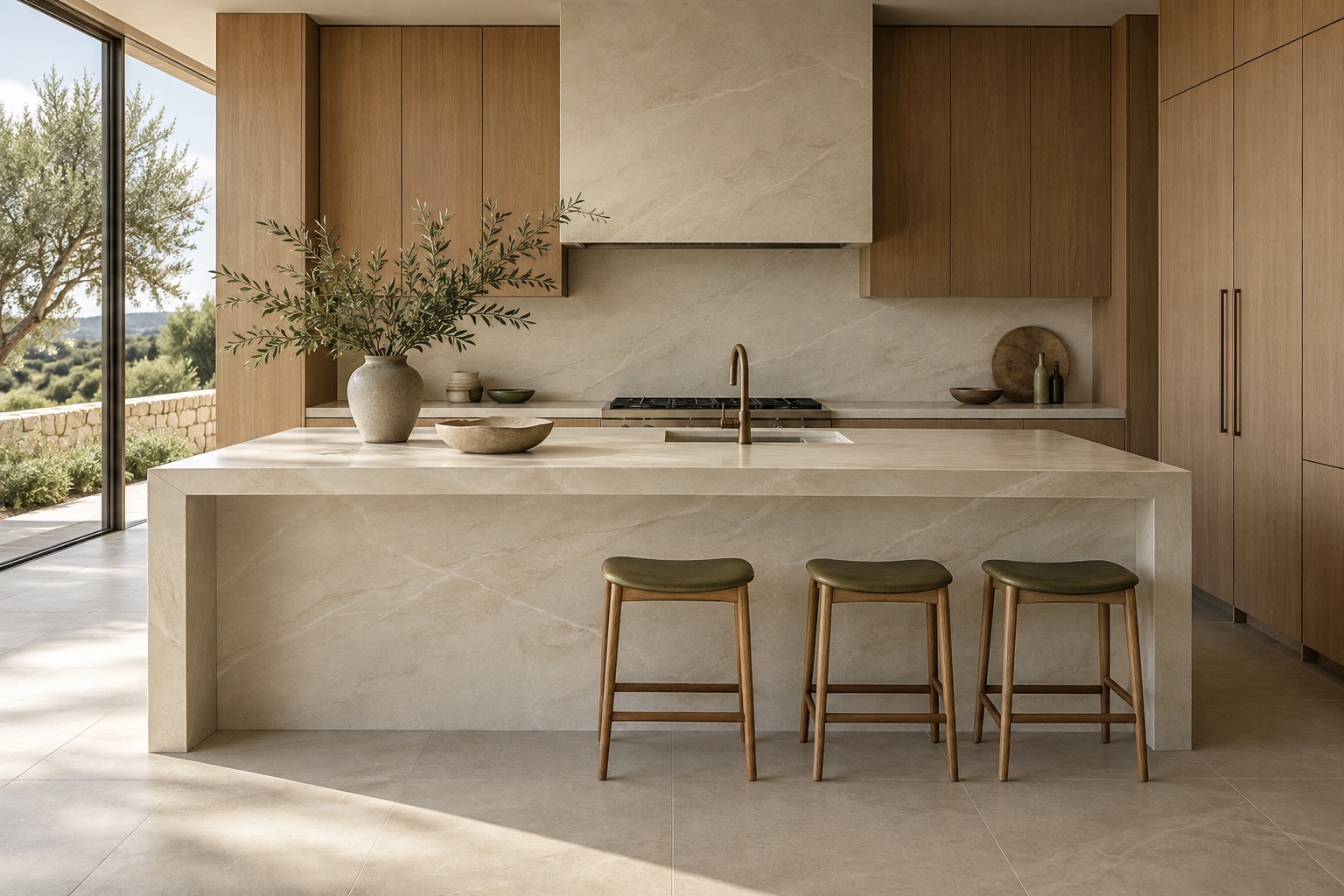
Develop the finish agreement case
A limestone beverage station is used for coffee, wine and citrus drinks, while glass washing takes place at an adjacent sink. Consider this hypothetical finish agreement problem: The owner wants limestone near citrus service while expecting no localized change in sheen. Finish acceptance concerns how the supplied surface will be seen, touched and maintained. In this exercise the disagreement is narrower than whether the room is attractive: identify the view or use that was absent from the first approval, and let the affected user describe it before repeating the decision.
A worked finish acceptance sheet for limestone beverage station could begin with these explicitly provisional entries: Intended service: citrus and wine; acceptable appearance changes: unresolved; finish sample: current candidate. Natural Stone Institute care guidance explains the acid sensitivity of calcareous stone. Apply that distinction when reviewing products and accepted appearance changes, while asking the supplier to confirm the composition and instructions for the actual surface being discussed. Use the record to distinguish a supplied finish, a viewing condition and an accepted appearance change. These are separate entries because a showroom preference cannot answer a maintenance question.
Complete a finish acceptance sheet
The focused task for this limestone beverage station decision is: Ask the household how it feels about localized changes near wine and citrus service when comparing the proposed limestone finish. In this example, the completion or exception condition is specific: Finish approval waits for a realistic agreement about acid-contact appearance rather than a stronger treatment promise. The desired unchanging sheen conflicts with the stated drink exposure; the host's acceptance needs to address that expectation rather than only the chosen sample. The finish instruction should resolve the stated conflict rather than ask everyone to sign an unexplained approval. A user may accept the same material with a different appearance expectation, or may choose another option after learning the care workload.
Apply the decision to the actual responsibility boundary for limestone beverage station: The fabricator and plumber coordinate the sink and any equipment openings, with the cabinet installer confirming the completed supporting furniture. Completion is a shared understanding of the actual finish and its accepted use, not a guarantee that the surface can never change. When an observer later reports a mark, the finish record helps explain the starting condition and expectations; diagnosis of the new concern remains a separate material-specific advice question. The example remains an editorial exercise; its provisional entries are prompts to obtain real project answers, rather than claims about an installed job or a supplied product.
Sources
- Care and cleaning of natural stone Natural Stone Institute
- Installation standards for countertop fabricators Natural Stone Institute